Do all for safety, for a safe world!
Tel:+86-0790-6000119 | E-mail: info@aerosolfire.com


How to Successfully Promote and Sell Aerosol Suppression Systems in Vietnam
August 22, 2025
Successful marketing and sales of aerosol suppression systems in Vietnam require a thorough understanding of local market characteristics, policies and regulations, customer needs, and the competitive environment.
Below is a comprehensive strategy with step-by-step recommendations to help you enter and expand your market effectively.
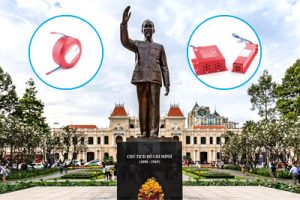
Market Research and Positioning
1. Policy and regulatory analysis of fire suppression systems
- Understanding of Vietnam fire regulations, product certification standards, and ensuring product compliance with local mandatory requirements in Vietnam.
- To study the Government’s procurement policy for fire-fighting equipment.
- Find out the standard of aerosol fire extinguishing system adopted in the Vietnamese market, whether it is an international standard, Chinese standard, or a Vietnamese local standard. Typically, aerosols for the Vietnamese market require either the NFPA2010 or UL2775 standards.
2. Market Demand and Competitive Landscape
- The key target industries in the Vietnamese market are: petrochemicals, power facilities, data centres, communication base stations, charging stations for new energy vehicles, high-rise housing, factories and warehouses, and other high-risk fireplaces.
- Strong competitors are Firepro, Statx, Pyrogen, etc., as well as some local manufacturers, so Chinese aerosols wanting to enter the Vietnamese market need to look for differentiation and need to be compliant with Vietnamese norms.
Product localisation compliance and pricing strategy
1. Certifications, standards, and product performance requirements
- Aerosol suppression systems are required to obtain Vietnam Fire Product Certification, such as CFA’s QCVN06:2020/BXD standard.
- The product performance of aerosols needs to be adapted to the tropical climate, as the climate in Vietnam is hot and humid.
2. Cost and Pricing Strategy
- Chinese aerosol manufacturers can obtain internationally recognised certificates such as CE, UL, etc., and then sell them to the Vietnamese market through Vietnamese importers (agents).
- We can also build local factories in Vietnam to reduce costs through localised production and assembly, or local certification (e.g., CR certification) and then sell locally.
- Product offers also need to follow a laddering approach, offering discounts for government projects and bulk purchases, and emphasising long-term maintenance for small and medium-sized customers.
Through the above methods and strategies, our Chinese aerosols may be able to gain a certain market share in Vietnam.
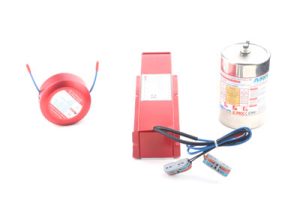
Channel building and partnerships
1. Choose a good sales channel model. The channel model includes:
- Distributor Network: Co-operation with local fire-fighting equipment dealers, factory contractors covering major provinces and cities (Hanoi, Ho Chi Minh, Da Nang, etc.).
- Direct sales team: For large enterprises, government projects, etc., we directly send our sales team to local promotion.
- B2B platform: through a variety of B2B platform promotion, such as Alibaba International, Made-in-China and so on.
- Industry Exhibitions: Participate in the Vietnam International Fire Protection Exhibition to enhance brand and product exposure.
2. Choose a good partner
- We work with fire engineering companies and local fire contractors to provide installation technical support and aerosol firefighting equipment.
- Collaboration with insurance companies to introduce fire-subsidised insurance programmes to tie up customers’ purchasing needs.
- Co-operate with Vietnam Construction Association, Vietnam Fire Protection Association, and Industrial Zone Management Committee to promote products and brands.
We believe that by cooperating with the above key units or authorities, we can quickly open up the market in Vietnam.
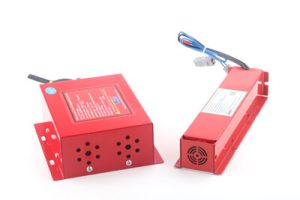
Marketing and Branding of Aerosol Fire Extinguishing Systems in Vietnam
1. Digital Marketing
- Promote your products through localised websites and social media in Vietnam by posting videos, pictures, and texts in Vietnamese on FACEBOOK, ZALO, and other social media.
- SEO keyword optimisation: for keywords with search traffic, such as aerosol fire extinguishing systems, aerosol fire extinguishers, and other Vietnamese language text, do a good job of keyword promotion.
2. Educational marketing
- Organise seminars on fire protection technology, invite engineering companies, fire protection contractors, enterprise safety officers, etc., to attend the meeting and demonstrate the advantages of the products (e.g., product installation, product precautions, etc.)
- White Paper: Comparing the cost and effectiveness of aerosols with traditional gaseous fire suppression systems (FM200, CO2, IG100, IG541 etc.), highlighting the space-saving, easy-to-maintain features of aerosols.
Educational marketing is also a very good channel for customer acquisition.
3. Cases and Word of Mouth
We can prioritise the landing of demonstration projects in well-known enterprises or foreign-funded factories, and achieve the purpose of popularising the public through case propaganda.
We can also invite local fire departments to participate in product testing and get official endorsements.
It would be very beneficial to our product and brand to have it recognised and disseminated by the Fire Service and local fire testing agencies.
Product after-sales and service support
The Vietnamese market is very strict on aerosol fire extinguishers, so we not only have to manufacture high-quality products, but also provide excellent after-sales support. The specific practices are as follows:
- Provide Vietnamese training materials and installation guidance for distributors or project contractors, etc., and establish a fast corresponding technical service team.
- Introduced regular inspection services to eliminate customers’ worries and enhance customer loyalty.
- We can also work with local repair and maintenance companies to provide emergency maintenance and repair services.
In short, the after-sales service of the aerosol fire extinguishing system is very important.
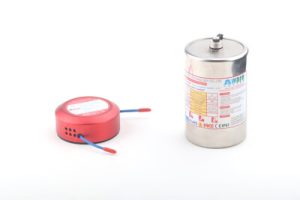
Risk Response for Aerosol Fire Suppression Systems in Vietnam
Policy Risk
We need to pay close attention to the changes in Vietnam’s fire regulations and challenge product compliance in advance.
Competition Risk
Vietnam is a fast-growing and developing country with a wide range of fire-fighting products, and we need to provide value-added services for aerosols to avoid vicious competition at low prices.
Cultural Differences Risk
The cultural differences between China and Vietnam are relatively large, and we can eliminate the risk of cultural differences by hiring a local sales team and understanding local business etiquette (e.g., relationship-oriented negotiation model, holiday gift culture, etc.).
Chinese firefighting companies should take as many measures as possible to avoid risks and make their products compliant and legal to sell.
Long-term Strategy
For our aerosol fire extinguishing systems to develop and gain a foothold in Vietnam in the long term, we need to take the following measures:
- Do the international certification of the product and the local certification in Vietnam, so that the product complies with the Vietnamese norms.
- Looking for quality local partners with fire protection qualification and sales network, such as local contractors, fire protection importers, fire protection installers, building on, etc.
- Provide installation and maintenance support for aerosol products.
- Develop relationships with local authorities, fire research organisations, and certification bodies to gain their active support, recognition, and endorsement.
- Launched multiple categories of aerosol fire suppression products, as well as other types of fire suppression systems. We can extend portable aerosol fire extinguishers and home-style aerosol stickers to home users in Vietnam as well.
- Co-operation with Vietnam’s Smart City Project to connect the fire protection system to the Internet of Things (LoT), realising remote monitoring and smart city construction.
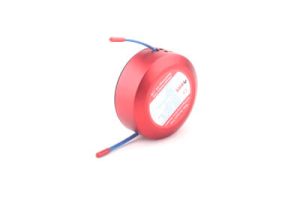
Through the above powerful combination, both we and the Vietnamese authorities can profit from it and promote Vietnam’s more rapid development.
Blog
Maybe you like also
Copy©2025 Jiangxi Aware Fire Technology Co.,Ltd all right reserved